No products in the cart.
Table of Contents
Truck Dispatch Challenges
The fundamental functions of truck dispatching can be very difficult and complex, but with the challenges that are often faced as insurmountable hurdles. However, once you understand these challenges properly, you can find many ways to overcome and resolve them by providing innovative solutions. Here are some of the greater challenges in truck dispatching, along with some thoughts on how we can manage them more productively. For understanding it better do visit.
Driver Shortage Due to Poor Freight Management
The driver shortage in trucking is a major Truck Dispatching issue that is affecting our capacity to meet the crucial demands in a consistent fashion. By working in this are we can understand how this affects operational efficiency and the morale of people who are trying their level best to retain customers towards them.
How to Overcome It:
The sole focus should be on driver retention and attraction. Paying good wages and providing comprehensive benefits and a positive working environment make all the difference. Training and creating an opportunity for career advancement within the firm would go a long way toward nurturing loyalty. A satisfied driver is usually a more productive driver.
Compliance with Regulations
Half a step outside the clearly defined regulatory swath is often pushing one’s luck. Each year, an entirely new set of regulations enters the fray, and compliance has, as of late, been more than an ere avoidance of fines, being a pertinent aspect to securing the safety of every last individual in the supply chain.
How to Overcome It:
Do not underestimate the power of technology. Compliance management software helps dispatchers stay ahead of the game with regulatory updates and associated compliance processes. Regularly scheduling training sessions for drivers and staff is essential as well; it ensures that everyone is on the same page.
Truck Dispatch Challenges Such as Managing Fuel Costs
Fuel is one of the largest operational costs for a truck dispatcher. When fuel prices fluctuate, they wreak havoc on financial forecasts, whereas mismanagement of fuel can leave unnecessary costs in its wake.
How to Overcome It:
Setting up stringent fuel management systems would be a proactive move that would grant control and optimization of fuel consumption. Imbuing fuel-efficient driving habits into drivers and regular maintenance of vehicles can go a long way in further cutting down these costs.
Timeliness of Delivery
In logistics, timing is everything. When deliveries are delayed, customers lose their patience, and the business that they could have given you slips away. The concern gets heightened when external factors come into play, be it weather or traffic.
How to Overcome It:
The greatest weapons for dispatchers remain advanced route planning technologies and real-time tracking systems, located well within the total spectrum of supply chain management software. This combination will allow dispatchers to spot delays in advance and make adjustments accordingly. It cannot be over-emphasized that contingency plans should be ready; flexibility is where success is born.
Communication Gaps
Successful dispatching is rooted in effective communication. Communication gaps pave the way for misunderstanding, delivery misses, and, ultimately, an unhappy clientele.
How to Overcome It:
Integrated communication systems are most invaluable in bridging these gaps. Regular check-ins among dispatchers, drivers, and customers can create transparency. A little effort to stay in touch with key players can go a long way in strengthening relationships and improving workflow.
Staying Ahead with Technology
Life’s been hectic in the fast-paced world of emerging technology. With so many options available, it is easy to be distracted. Yet, those few who understand these tools can very well capitalize on them to stay on the efficient and competitive side.
How to Overcome It:
Make time for a digital transition by learning the basics of essential tools like Transportation Management Systems (TMS) or Electronic Logging Devices. Instead of a disablement, technology is an enabler-lending a hand for streamlining operations at any given level.
Cash Flow Management
In trucking, cash flow is series; meaning things are good one month and a financial struggle the next. Late payments from brokers or sudden expenses could derail even the best-laid plans.
How to Overcome It:
On basis of solid planning, laying down these checkpoints in cash flow will assist with management. A minimum of two months of expenses in reserve would help quite a lot in keeping the business afloat when the going gets tough. Besides, an application for factoring services could further help in cash flow management by getting invoice payments faster.
Work-Life Balance
Due to the fast-paced, grinding nature of trucking, burnout can be expected, especially for owner-operators who multitask. A healthy work-life balance is the key to sustainable success.
How to Overcome It:
Accept hard-stop times. Take breaks regularly and consider off-loading some of your loads to dispatch services. A driver who is well-rested and happy has much more capacity to deal with the strains of the road and provide good service.
Turn Every Mile Into Money With Truck Tide
Every mile you drive should count, and at Truck Tide, we make sure it does. As your dedicated dispatch partner, our job is to keep your wheels turning and your income growing. Based out of Austin, TX, we specialize in turning trucking businesses into well-oiled money-making machines. We secure top-paying loads, plan optimal routes, and handle all the pesky paperwork—so you can focus on the road, not red tape. You didn’t get into trucking to spend your days behind a desk, and with Truck Tide, you won’t have to.
Our negotiation pros fight for your worth, ensuring you’re never underpaid or overworked. Plus, with our 24/7 availability, you’ll never be left in the dark. Whether you’re a new owner-operator or a seasoned fleet owner, Truck Tide is here to simplify your operation and maximize your profits. Let us do the heavy lifting when it comes to dispatching and watch your business soar. Contact us today at +1 (385) 533-9922 or shoot us an email at info@trucktide.com to get started. Truck Tide is your ticket to a more profitable, efficient, and stress-free future.
Truck tide is the best solution to transform your trucking business it is located in Austin, TX, a 24 seven service of load dispatching at amazing rates and best negotiations without any documentation paperwork or planning, which means it is completely hassle-free. Truck tides help to deliver loads at high rates such as agriculture construction manufacturing healthcare fuel transport et cetera. To contact us, you can freely call on +1 (385) 533-9922 or email info@trucktide.com or visit
Overcoming the Truck Dispatch Challenges in Truck Dispatching by Freight management
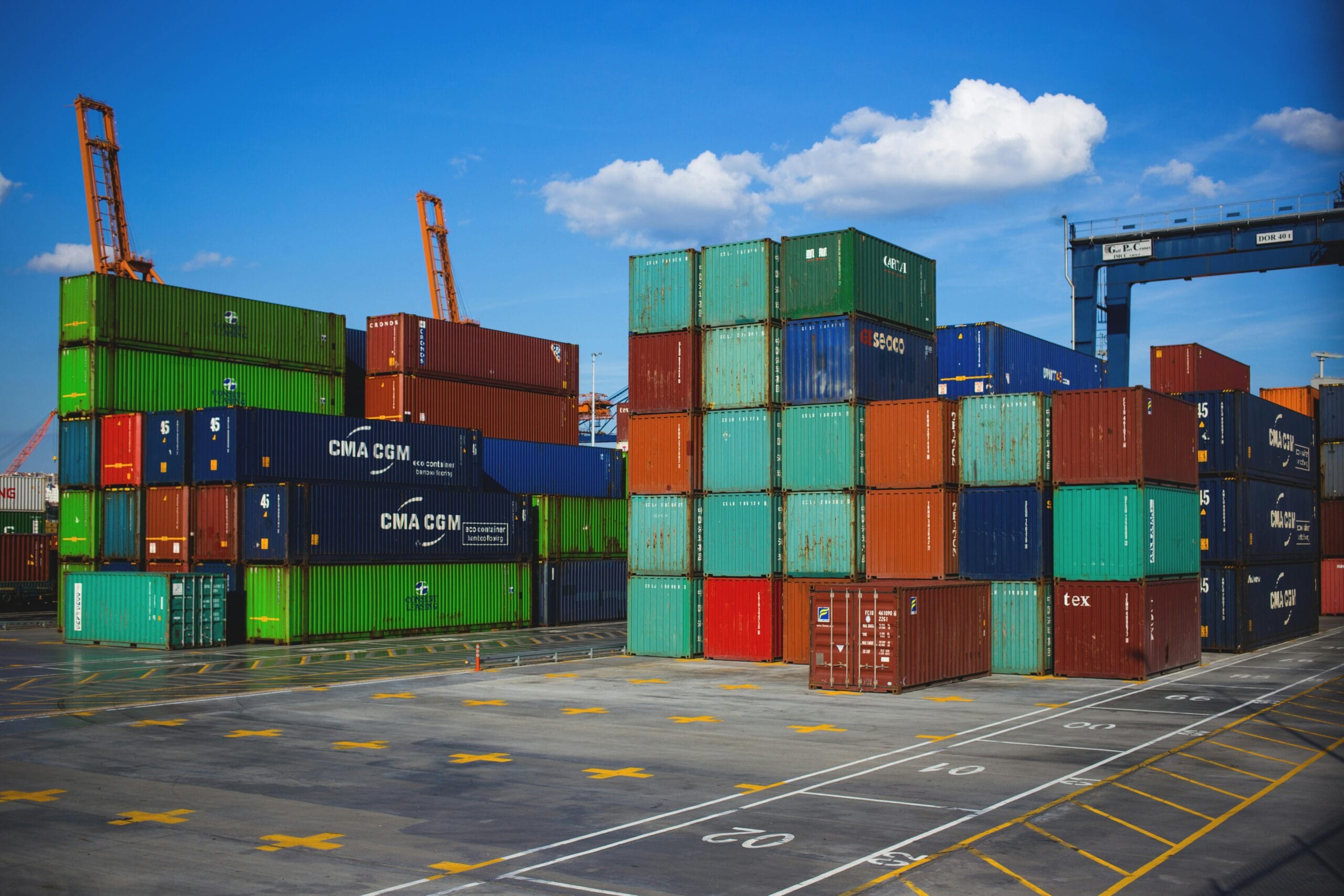
Freight management is the process of coordinating the transportation of goods from one destination to another. The term incorporates various function that are leveraged to facilitate the efficient, timely, and low-cost movement of freight whether through trucking, shipping, air, or rail.
OVERCOMING CHALLENGES IN TRUCK DISPATCHING BY
FREIGHT MANAGEMENT
Key Components
Planning and Execution: Developing a transportation plan that specifies optimal routes, transport modes, and schedules for goods movement. Strategic planning reduces costs and increases delivery speed.
Carrier Selection: Freight management requires choosing the right carriers. Carriers are evaluated for reliability, available capacity, pricing, and service levels to identify the most suitable option for every shipment.
Load Optimization: This is packing and loading of freight to maximize space in the carrier and reduce shipping costs. This means for shipping, weight distribution, volume, and the nature of the goods are it come into play.
Modern freight management frequently involves technology that enables real-time tracking and visibility of shipments. This helps stakeholders track the delivery of cargo and foresee possible issues or delays.
This is an imperative part of freight management, keeping a track of the compliance and the legal and regulatory requirements in case of all shipments. This involves having the right documentation for customs, contracts, and insurance.
Freight Management – Successfully managing freight costs includes budgeting, evaluating shipping costs, and recognizing approaches to save money while maintaining service quality. This can include freight auditing and working with carriers.
Performance Analysis: By continuously analyzing freight performance metrics, including on-time delivery rates, shipping costs, and carrier performance, companies can identify areas for improvement and streamline operations.
Cooperation and Communication: It’s important to establish strong partnerships with suppliers, logistics providers and customers. Excellent communication of shipment and issues make sure that parties involved are getting update.
Risk Management: Freight management involves identifying potential risks — such as delays, damages and loss of goods — and devising strategies for risk mitigation.
Conclusion
The journey of truck dispatching is fraught with challenges. But these challenges can be turned into opportunities for growth and success through sound strategies, flexibility, and relationship-building. Change must be embraced and a commitment made to improvement for the good of all individual operators and the industry itself. Truck tides help in this concern to deliver loads at the most profitable and high rates such as agriculture construction manufacturing healthcare fuel transport et cetera.
FAQ
1. What are the biggest challenges in truck dispatching?
The biggest challenges include driver shortages, compliance with regulations, rising fuel costs, delivery delays, communication gaps, and cash flow management.
2. How can technology help improve truck dispatching?
Technology like Transportation Management Systems (TMS), Electronic Logging Devices, and real-time tracking improves route planning, compliance, and communication, making dispatching more efficient.
3. How does Truck Tide help trucking companies?
Truck Tide offers 24/7 load dispatching with no paperwork, negotiates the best rates, and handles industries like agriculture, construction, manufacturing, healthcare, and fuel transport.
4. How can trucking companies reduce fuel costs?
By training drivers in fuel-efficient driving, maintaining vehicles regularly, and using fuel management systems, companies can significantly cut fuel expenses.
5. How can dispatchers improve driver retention?
Offering competitive pay, good benefits, career advancement opportunities, and a positive work environment helps keep drivers satisfied and loyal.